


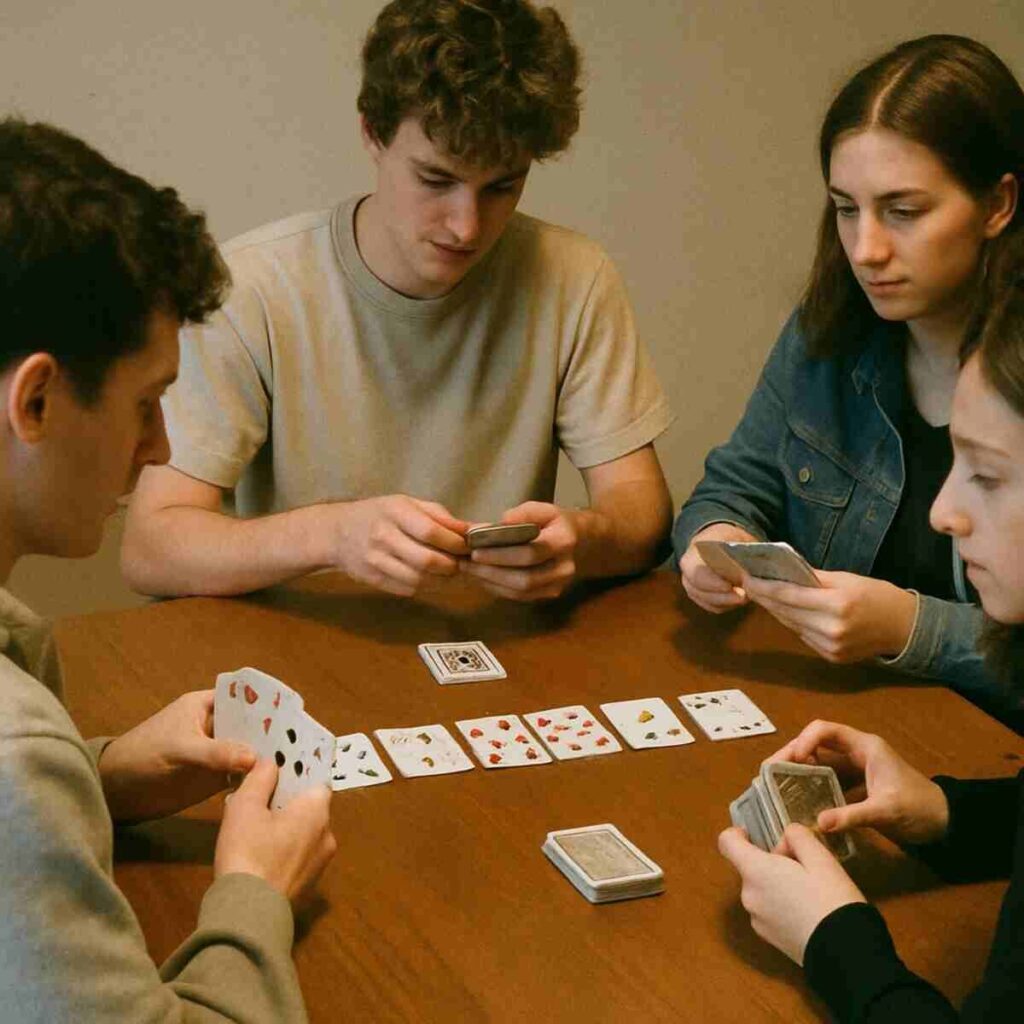
Hey there! Ready to dive into the world of Pitty Pat? It’s a fun and simple card game that’s perfect for a casual gathering or a lazy afternoon. Whether you’re an aspiring novelist looking for a new hobby, a content marketer in need of a break, or a graduate student seeking some light entertainment, learning to play Pitty Pat is a breeze. Let’s break it down step-by-step so you can start playing today! To find more, check on lumiastoryteller.com
Pitty Pat is a classic card game that’s popular in many parts of the world. It’s known for its simplicity and speed, making it a hit among card game enthusiasts. The game is usually played with a standard deck of 52 cards, and the goal is to be the first to get rid of all your cards. Sounds easy, right? Let’s get into the details of how to play.
Pitty Pat has a rich history that can be traced back to simpler versions of card games played in various cultures. It’s believed to have evolved from traditional matching games that were popular in the early 20th century. The simplicity of the game allowed it to spread quickly, becoming a staple in family gatherings and social events.
The appeal of Pitty Pat lies in its balance between luck and strategy. Unlike more complex card games, it doesn’t require hours of learning and can be picked up by anyone within minutes. This accessibility makes it a favorite among players of all ages, from children to seniors. It’s a game that brings people together, fostering laughter and friendly competition.
While Pitty Pat shares similarities with games like Crazy Eights and Rummy, it stands out due to its unique matching rule. Unlike Rummy, where you build sets, or Crazy Eights, where you follow suit or rank, Pitty Pat focuses solely on matching ranks. This singular focus makes it a quicker, more straightforward game that still offers plenty of strategic depth.
To play Pitty Pat, you’ll need:
- A standard deck of 52 cards
- 2 to 4 players
- A flat surface to play on
That’s it! You don’t need any fancy equipment or complicated setups. Just grab a deck of cards, gather your friends or family, and you’re good to go.
When selecting a deck of cards for Pitty Pat, any standard 52-card deck will do. However, if you want to add a touch of flair, consider using decks with themed designs or illustrations. This can make the game visually interesting and enhance the overall experience.
While Pitty Pat can be played with 2 to 4 players, the dynamics change slightly with the number of participants. With two players, the game tends to be more strategic, as you can more easily track your opponent’s moves. With four players, the game becomes more unpredictable, adding an element of surprise and excitement.
Creating the right atmosphere for playing Pitty Pat can enhance the enjoyment of the game. Consider playing some light background music or setting up in a cozy area with comfortable seating. This helps create a relaxed environment where players can focus on the game and enjoy each other’s company.
- Shuffle the Deck: Start by shuffling the deck thoroughly. This ensures that the game is fair and random.
- Deal the Cards: Each player is dealt five cards. The remaining cards are placed in the center of the table, forming the draw pile. Turn the top card of the draw pile face up to start the discard pile.
- Decide the Order: Choose who goes first. You can do this by age, drawing straws, or any other method you prefer. Play proceeds clockwise.
The Importance of a Good Shuffle
A thorough shuffle is crucial in Pitty Pat, as it ensures the randomness of the draw pile. This randomness is what makes each game unique and fair. There are several shuffling techniques you can use, such as the riffle shuffle or the overhand shuffle, each adding a bit of flair to the setup process.
Dealing the Cards
When dealing the cards, ensure that each player receives an equal number and that the cards are dealt face down to maintain the element of surprise. The dealer should distribute the cards one by one to each player in a clockwise direction. This methodical approach helps keep the game organized and fair.
Deciding Who Starts
Choosing the starting player can set the tone for the game. Some groups prefer to use fun methods like drawing the highest card from the deck, while others stick to more traditional methods like starting with the youngest player. Whatever method you choose, ensure everyone agrees to it for a smooth start.
How to Play Pitty Pat
Here’s where the fun begins! The game is played in turns, and the objective is to match cards from your hand with the top card of the discard pile. Here’s how a typical turn goes:
Taking Your Turn
- Draw a Card: At the start of your turn, you can choose to draw a card from either the draw pile or the discard pile.
- Match a Card: Try to match one of your cards with the top card of the discard pile by rank. For example, if the discard pile shows a 5 of hearts, you can play any 5 from your hand.
- Discard a Card: If you have a match, place your matching card on top of the discard pile. If you don’t have a match, you must discard one card from your hand onto the discard pile.
- Winning the Game: The first player to get rid of all their cards wins the game. It’s that simple!
Drawing Strategies
Choosing whether to draw from the discard pile or the draw pile is an important decision. Drawing from the discard pile can give you a card you need immediately, while drawing from the draw pile is a gamble that might lead to a more strategic play in future turns. Weighing these options adds depth to your strategy.
Matching Tactics
Matching cards isn’t just about luck; it’s about timing and strategy. Consider holding onto certain cards that might be more useful later. Observing the cards your opponents are discarding can also provide clues about what they might be holding, allowing you to make more informed decisions.
Discarding Wisely
Discarding a card is an opportunity to influence the game. Choose wisely which card to discard, as it could either help or hinder your opponents. Sometimes it’s strategic to discard a card that you think another player might need, disrupting their plans and giving you an advantage.
Winning and Celebrating
Winning Pitty Pat is a satisfying experience, but the real joy comes from the camaraderie and fun of playing. Celebrate each win with good sportsmanship, and perhaps keep a tally of victories if playing multiple rounds. This fosters a friendly competitive spirit and encourages players to improve their skills.
Tips and Strategies
- Keep an Eye on the Discard Pile: Try to remember which cards have been played to anticipate your opponents’ moves.
- Hold Back Some Cards: Sometimes it’s strategic to hold onto certain cards if you think they might be useful in future turns.
- Stay Flexible: Be ready to change your strategy based on the cards you draw and your opponents’ actions.
Memory Techniques
Improving your memory can significantly enhance your gameplay. Consider using mnemonic devices or visual associations to keep track of which cards have been played. This skill becomes particularly useful in longer games where remembering past moves can give you an edge.
Strategic Card Holding
Deciding which cards to hold back is a nuanced skill. Consider the potential future value of a card before discarding it. Cards that are part of a sequence or that match frequently appearing ranks are usually worth holding onto, as they can be game-changers in the right circumstances.
Adapting to Opponents
Observing your opponents’ behaviors and adjusting your strategy accordingly is key. If an opponent consistently draws from the discard pile, they might be focusing on a particular strategy. Use this information to anticipate their moves and counter their tactics effectively.
Variations and Advanced Strategies
Once you’re comfortable with the basic rules, you can spice up the game with some variations:
- Joker’s Wild: Include jokers in the deck as wild cards. They can be used to represent any rank.
- Multiple Rounds: Play multiple rounds and keep score. The player with the lowest score after a set number of rounds wins.
- Timed Rounds: Add a timer for each turn to increase the pressure and excitement.
Introducing Jokers
Adding jokers to the game introduces a new layer of strategy. As wild cards, they can be used to complete any match, making them highly valuable. Players must decide the best time to use jokers, balancing the risk and reward of holding onto them versus playing them for an immediate advantage.
Scoring Systems
Implementing a scoring system can make Pitty Pat more competitive. Assign points to each card remaining in players’ hands at the end of a round, with face cards carrying higher penalties. This variation encourages players to be more strategic in how they manage their hands throughout the game.
Adding Time Constraints
Timed rounds can dramatically alter the dynamics of Pitty Pat. A countdown clock adds urgency, forcing players to think quickly and make snap decisions. This variation is perfect for players seeking a more intense, fast-paced version of the game.
Why Pitty Pat is a Great Game
Pitty Pat is more than just a card game; it’s a way to relax and connect with others. It’s perfect for breaking the ice at gatherings or taking a break from more serious activities. Plus, it’s an excellent way to sharpen your strategic thinking and decision-making skills.
Social Benefits
Playing Pitty Pat is a wonderful way to socialize and bond with friends and family. The game’s simplicity allows for easy conversation, laughter, and connection, making it an ideal choice for gatherings where the goal is to enjoy each other’s company.
Mental Benefits
Aside from being fun, Pitty Pat offers cognitive benefits. It challenges players to think strategically, remember past plays, and make decisions under pressure. These mental exercises are great for keeping the mind sharp and improving problem-solving skills.
Versatility and Accessibility
One of the greatest strengths of Pitty Pat is its versatility. It can be adapted for different skill levels, making it accessible to both beginners and seasoned card players. Whether you’re playing with young children or competitive adults, Pitty Pat offers a level of enjoyment that’s hard to match.
Frequently Asked Questions
Can children play Pitty Pat?
Absolutely! Pitty Pat is suitable for players of all ages. It’s a great way to teach kids about numbers and matching in a fun setting.
How long does a game of Pitty Pat take?
A typical game lasts around 10 to 15 minutes, making it ideal for short breaks or quick entertainment.
Can you play Pitty Pat online?
Yes, there are online versions of Pitty Pat that you can play on various gaming platforms. Just search for “Pitty Pat online” and choose your favorite.
What skills can be developed by playing Pitty Pat?
Playing Pitty Pat helps develop important skills such as strategic thinking, memory retention, and quick decision-making. These skills are beneficial not only in gameplay but in real-life situations that require problem-solving and adaptability.
Is Pitty Pat suitable for large groups?
While traditionally played with 2 to 4 players, Pitty Pat can be adapted for larger groups by forming teams or rotating players in and out. This flexibility makes it a versatile option for parties and larger gatherings.
What should I do if I get stuck during a game?
If you find yourself struggling to make a move, take a moment to reassess your strategy. Look for potential matches you might have overlooked and consider the cards your opponents are discarding. Sometimes a fresh perspective or a break can help clear your mind and reveal new opportunities.
Conclusion
So there you have it—a complete beginner’s guide to playing Pitty Pat! It’s a straightforward, enjoyable card game that you can learn in minutes and play for hours. Whether you’re looking to unwind or challenge your friends, Pitty Pat is the perfect choice. Grab a deck of cards, gather some friends, and let the fun begin!
Happy playing!